
Jesus’s sermon on the plain continues this week as he dives into loving neighbors–like ALL our neighbors. Jesus is speaking to “those who will listen,” maybe because a bunch of the rich, full, and laughing folks took off in a huff after hearing last week’s blessings and woes. Now, though, he seems to be turning on the poor, hungry, and weeping he’s just promised will feel the fullness of God’s love. How? By blessing those who curse them, giving away more than is taken from them, and forgiving and loving the people who cause their suffering. Say what?
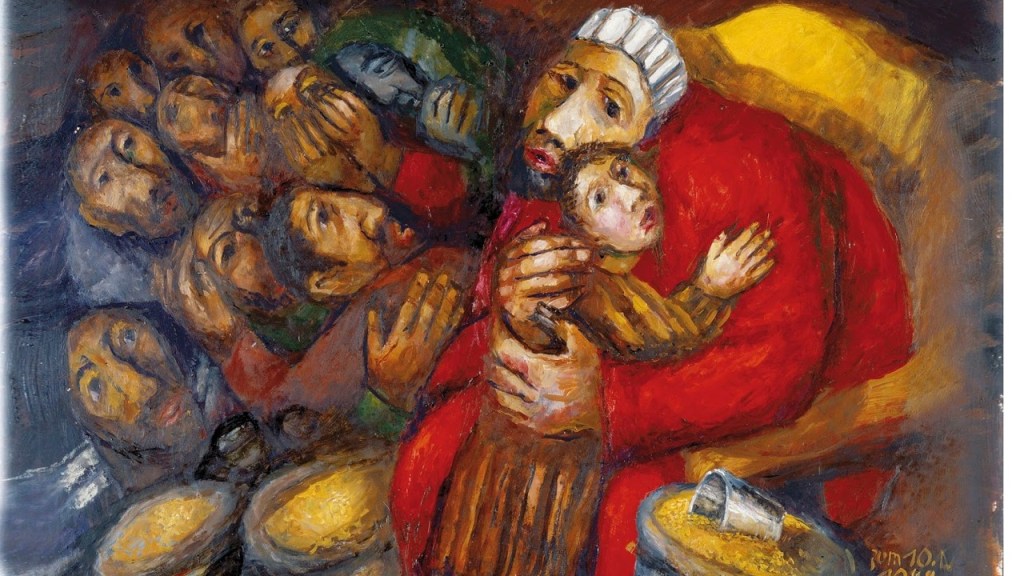
In a neat parallel, the first lesson this week focuses on the end of the story of Joseph, where he forgives the brothers who sold him into slavery. It’s worth reading that story from the beginning (grab a cup of coffee; it’s a saga!) to understand all that needs to be forgiven on all sides in that story for that happy ending in the lectionary to happen. And even then, folks at church today agreed that there was a LOT of talking left to do after the kissing and weeping. Forgiveness is not cheap.
As Christians, we need to read both of these passages with care. Jesus is not saying that loving our enemies means meekly accepting whatever cruelty people stronger than us might choose to inflict. God doesn’t impose years of hardship on Joseph in order to bring about good. And God definitely wants us to confront injustice and suffering when and where we see it.
Still, the God we believe in has a radical, absolute, limitless love: a Love that continually forgives us and, yeah, sorry, those we see as most unforgivable. And, somehow, the worst that life has to offer is also often the place where we find the heart of that agape love.
Loving my enemy, forgiving those who harm me is complicated and tricky work. But as Annie Lamott puts it, not forgiving someone is like drinking rat poison and then waiting for the rat to die. I’m not going to lie. Sometimes I drink the poison anyway. But I know that it’s forgiving that will heal me in the end, forgiveness that heals the wounded and the wounder, forgiveness that opens up space for each of us to be wholly who we are created to be.
 Sunday Morning Words