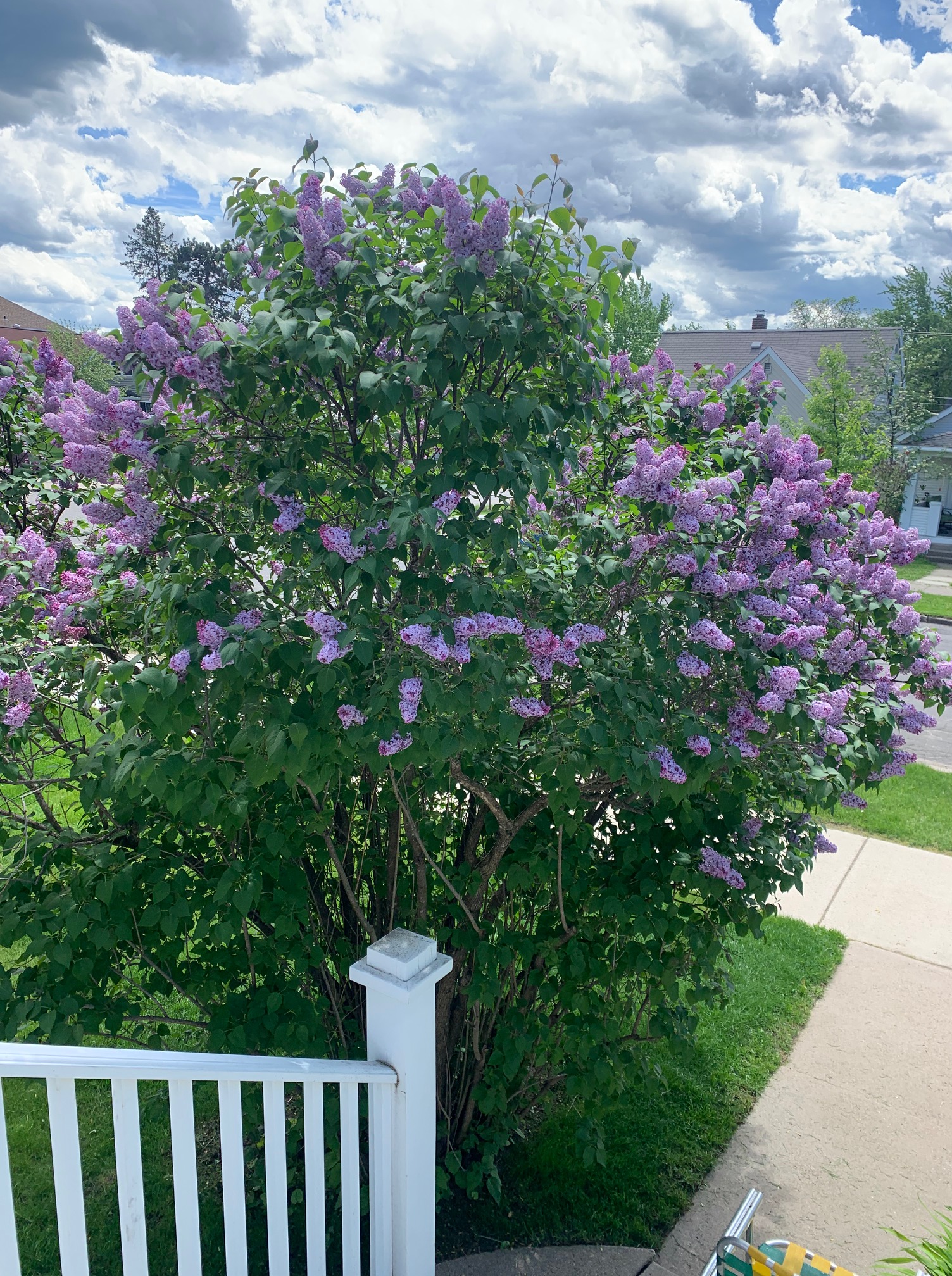
Out of all the things I love about summer in Ely, I love gardening best. I love digging into warm soil after six months of snow and watching the plants I’ve been growing for years (even the buggers I don’t want) poke up through the soil. I love the humming of bees working the apple blossoms, buzzing round me to see if I’m edible. I push my face into the lilac blossoms just off the front porch, breathing in spring. I can’t wait to plant the vegetables I’ve been nursing for weeks alongside the heirloom tomato Steve and Nicole gift me every birthday. I love the easy conversation with people in the neighborhood, asking how we’re doing with the deer, and digging the gardens a bit wider to make room for plants offered by strangers and friends.
If I asked you for a quick definition of Sabbath (the theme of this week’s readings), you’d probably describe it similarly to the guy in my house who just finished his final sabbatical, as rest and a time to get a break from work. That’s a good definition. In today’s first lesson, God commands the people to rest from their labors, purposefully opposing Pharoah, who responds to their requests for Sabbath by ordering them to work twice as hard making bricks for his storehouses. Fear and greed motivate pharaoh and, too often, us to normalize more and more labor to accumulate more and more stuff. In its place, God offers all we need if we choose to trust and rest.
God doesn’t describe what that rest should look like, but by Jesus’s time, the leaders of the faith had constructed many rules around what the people weren’t supposed to do on the Sabbath, something like the blue laws that kept stores closed on Sundays when I was a child. They are infuriated when Jesus deliberately breaks those rules so that his disciples can glean a bite to eat, and he can heal a man’s withered hand.
But God’s command to observe the Sabbath was never meant to be a series of prohibitions. That’s just substituting a priestly Don’t-do list for the Pharoah’s To-do list. The Sabbath is a time to get away from our lists and our relentless striving for more stuff, attention, wealth, and status. Sabbath, Jesus says, was created for people; it’s a time to love God and love one another. Enjoying food from the fields and healing someone’s suffering are all about that.
So, what is practicing Sabbath supposed to look like for us? Taking time each day to breathe and pray is a kind of Sabbath, as is breaking bread together on Sunday mornings. But I also celebrate Sabbath every day of the summer in my garden as I plant seeds, re-cover the worm I just dug up, cheerfully chat with the neighbor who votes an entirely different ticket than I do, share what I grow, and nap in my hammock: all ways of loving God, loving creation, loving my neighbor, and resting from my labor.
How about you?
- What did Sabbath mean when you were a child?
- What does taking time for Sabbath look and feel like for you now?
- Does your Sabbath time bring you closer to God, to creation, to your neighbor?
- What does Sabbath (when you take it) help you resist or push against?

 Sunday Morning Words